Filter
AV Receivers
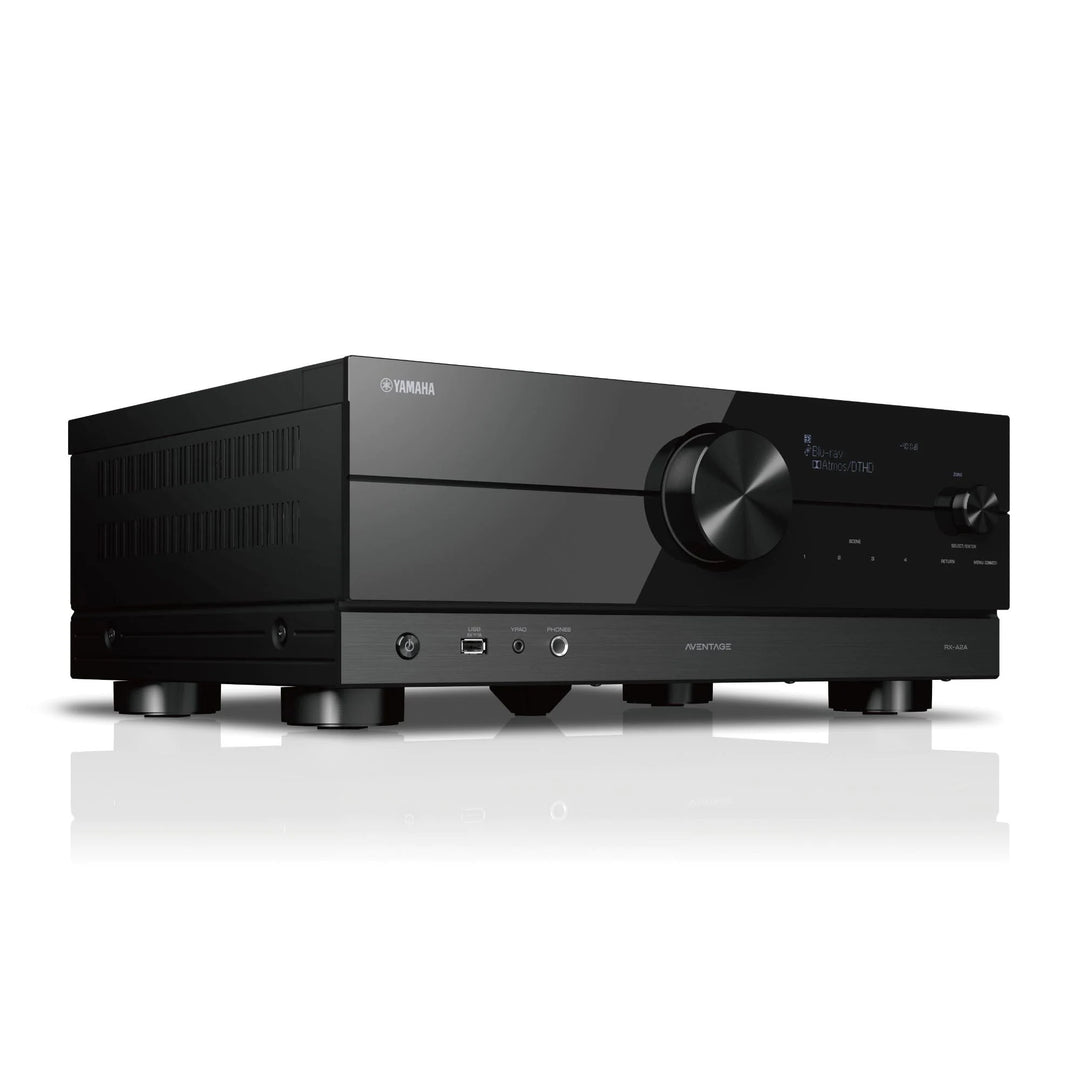
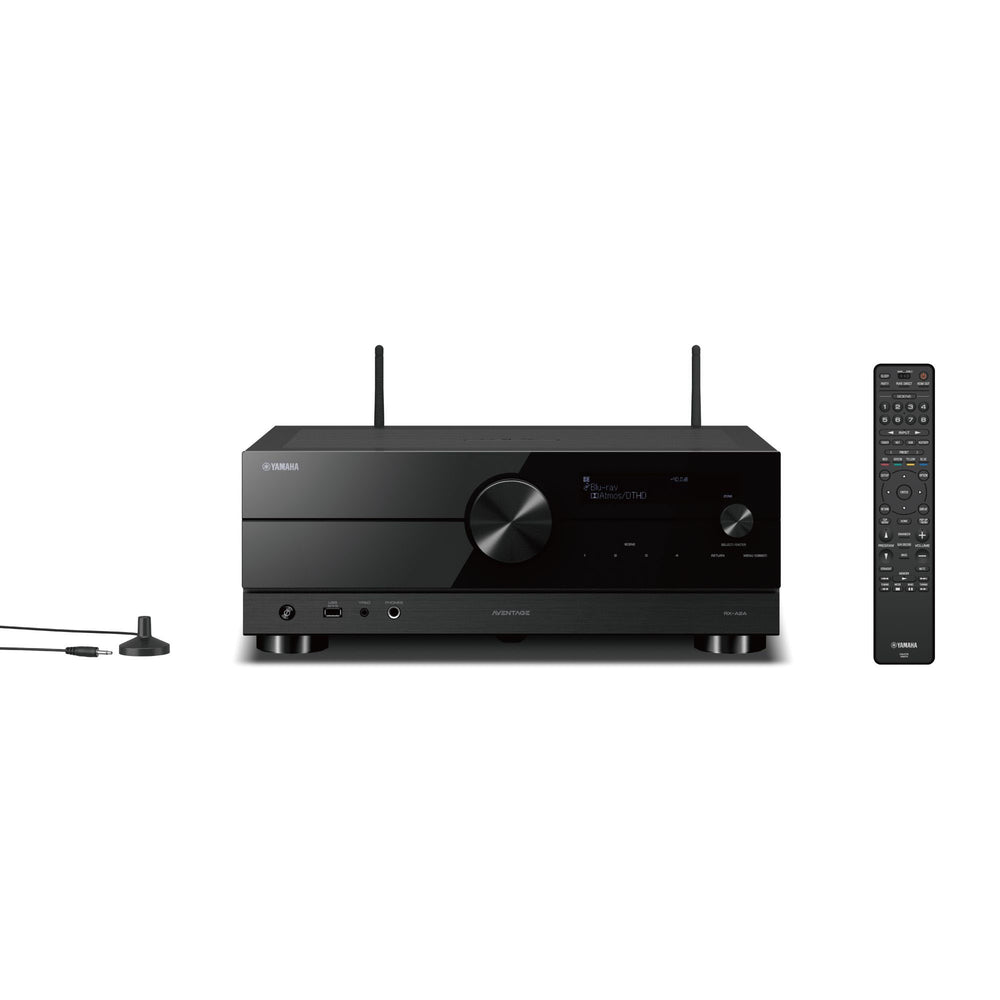
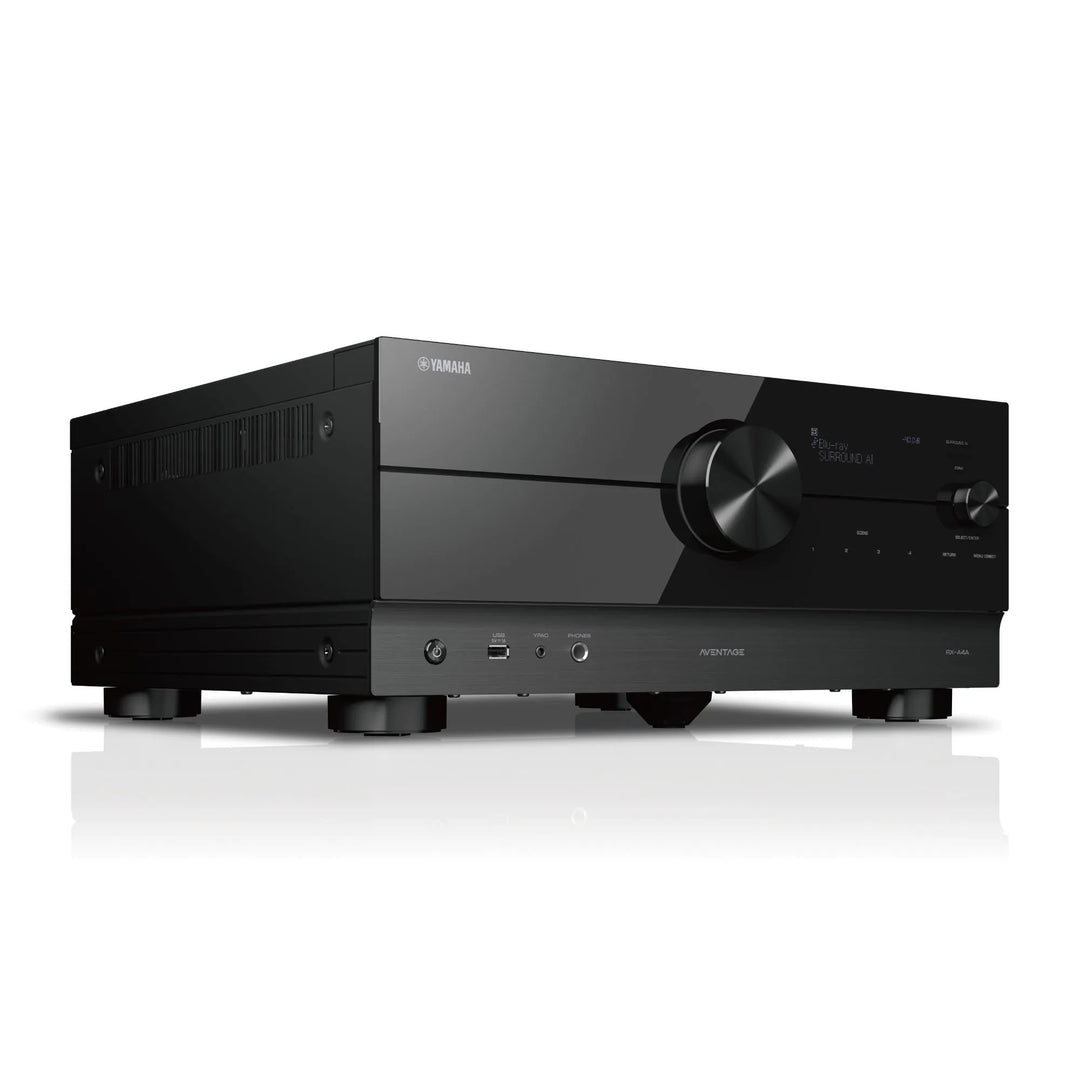
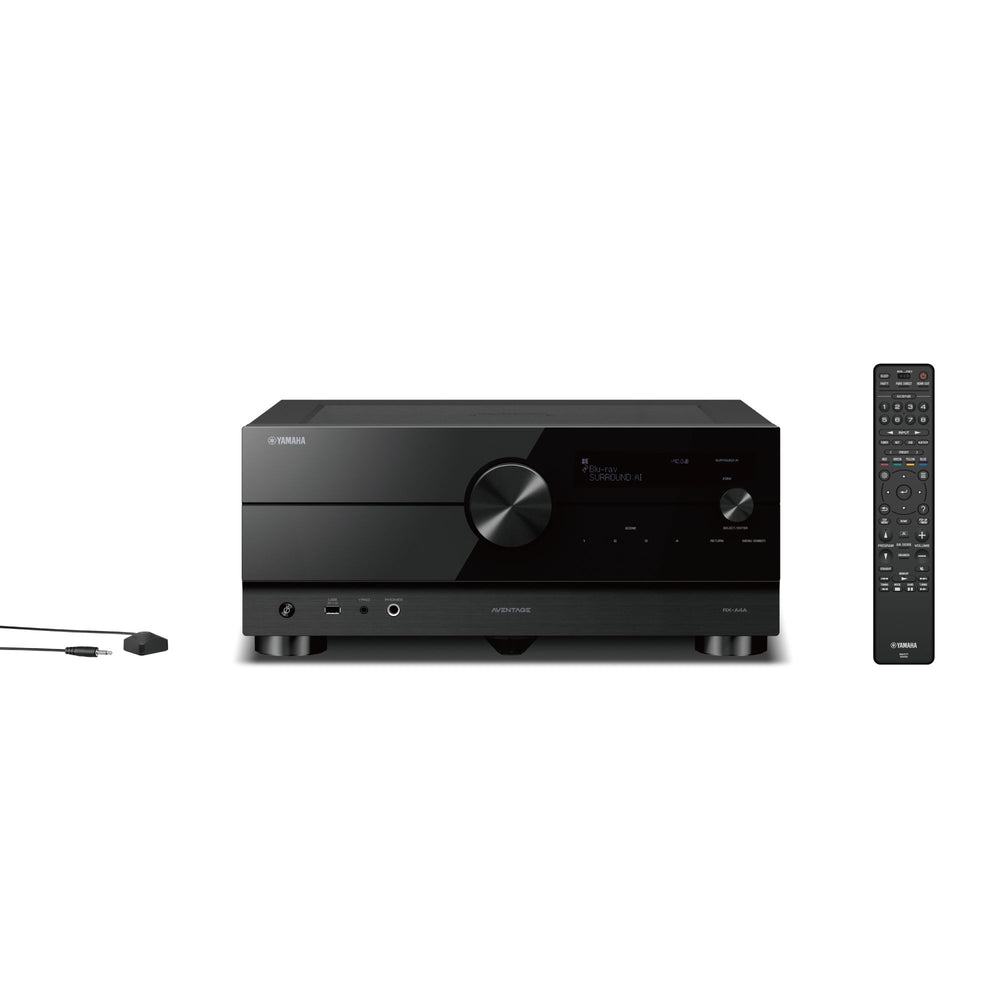
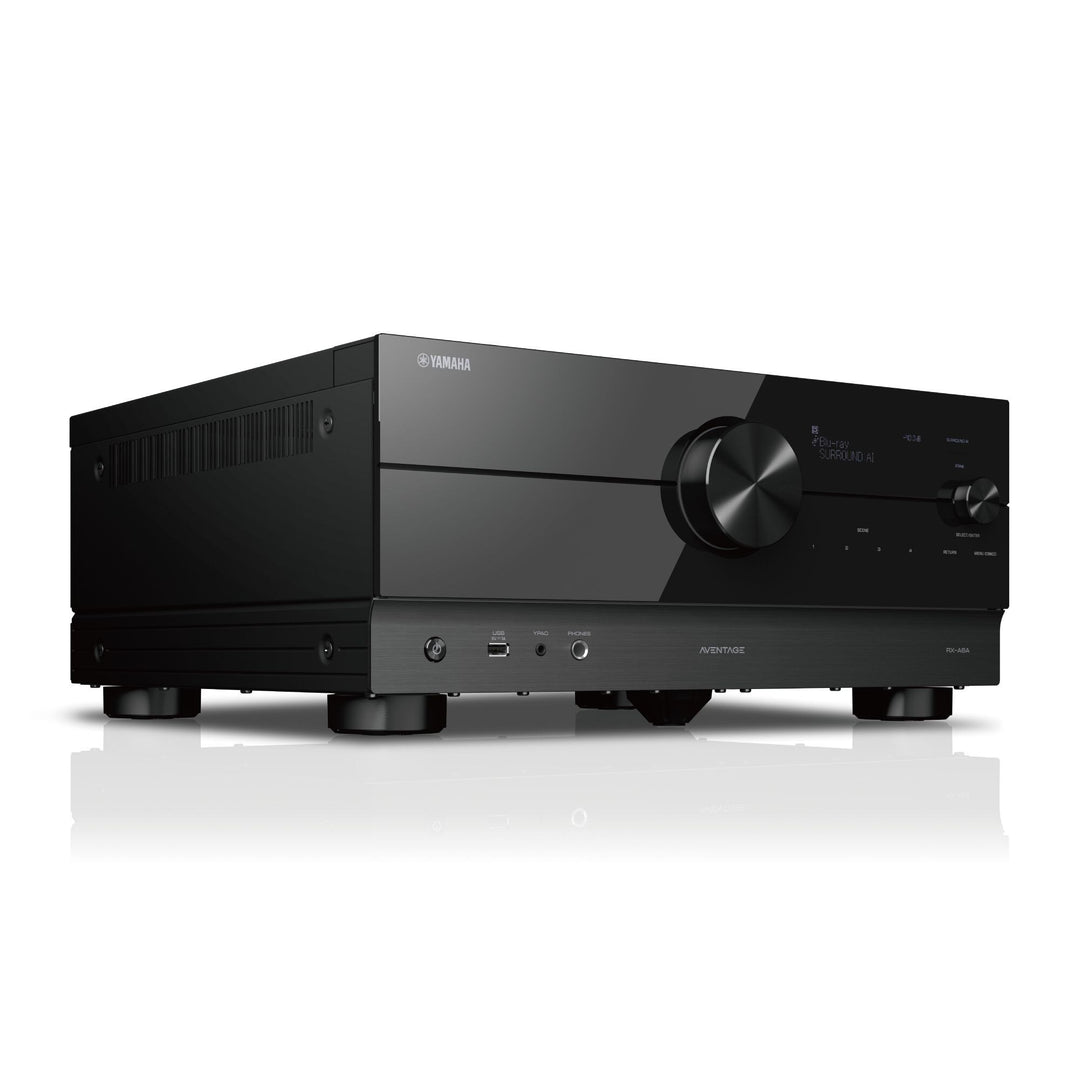
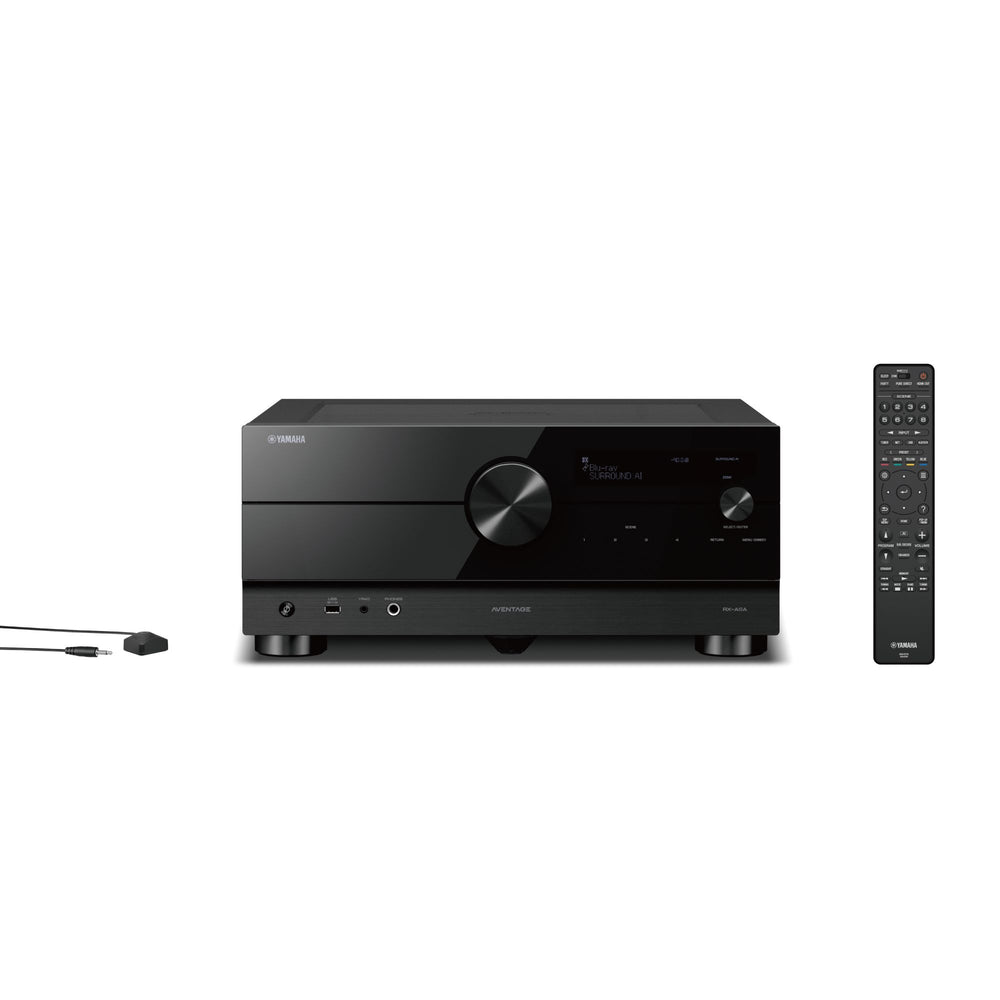
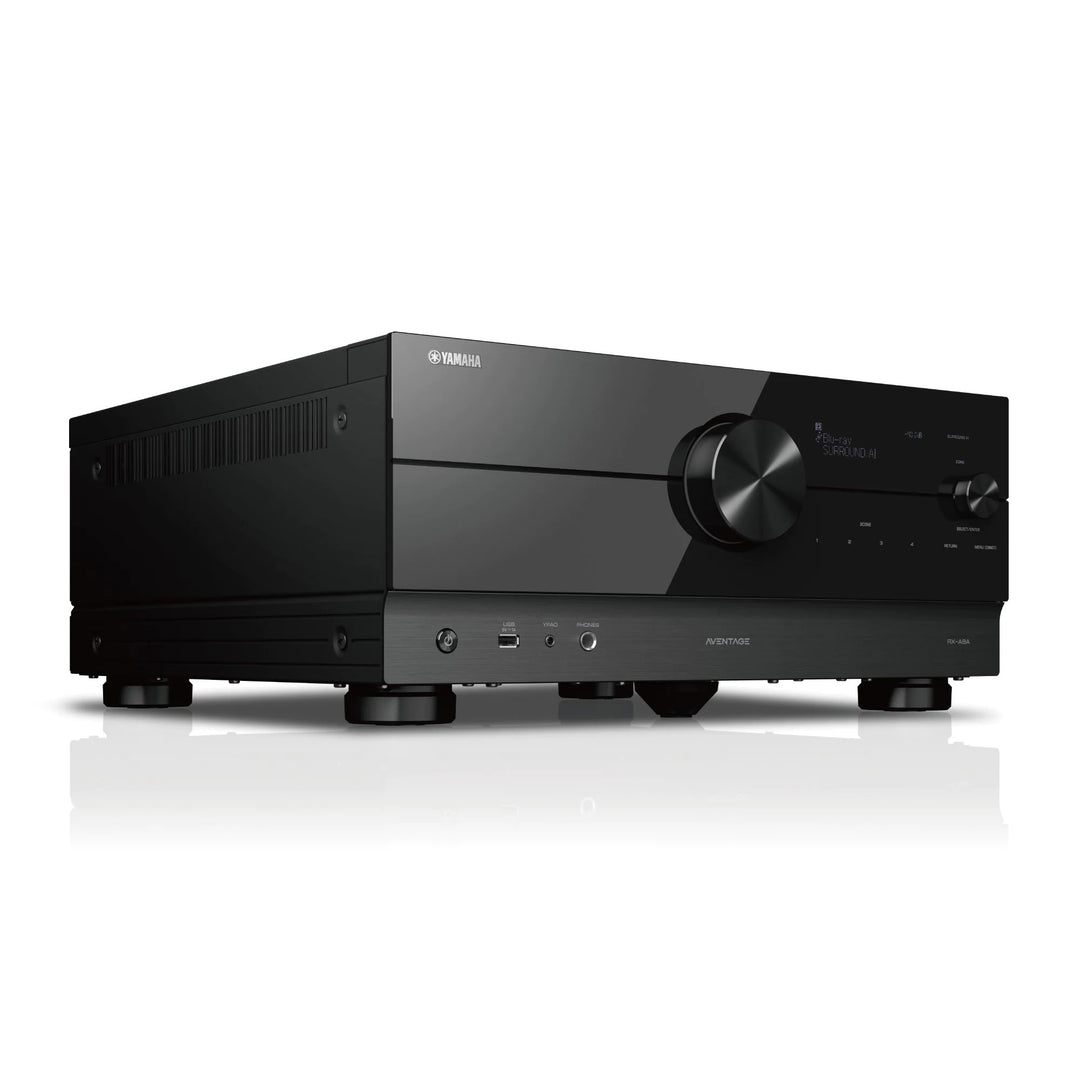
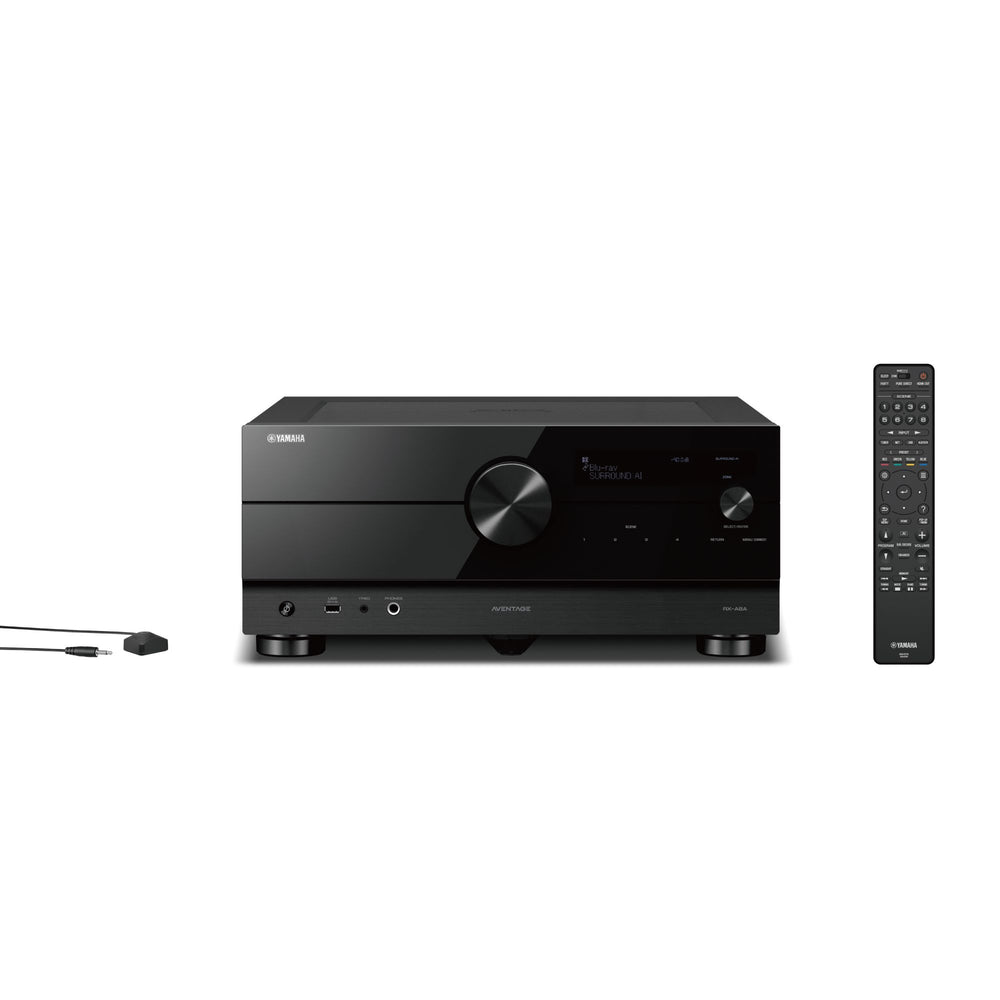
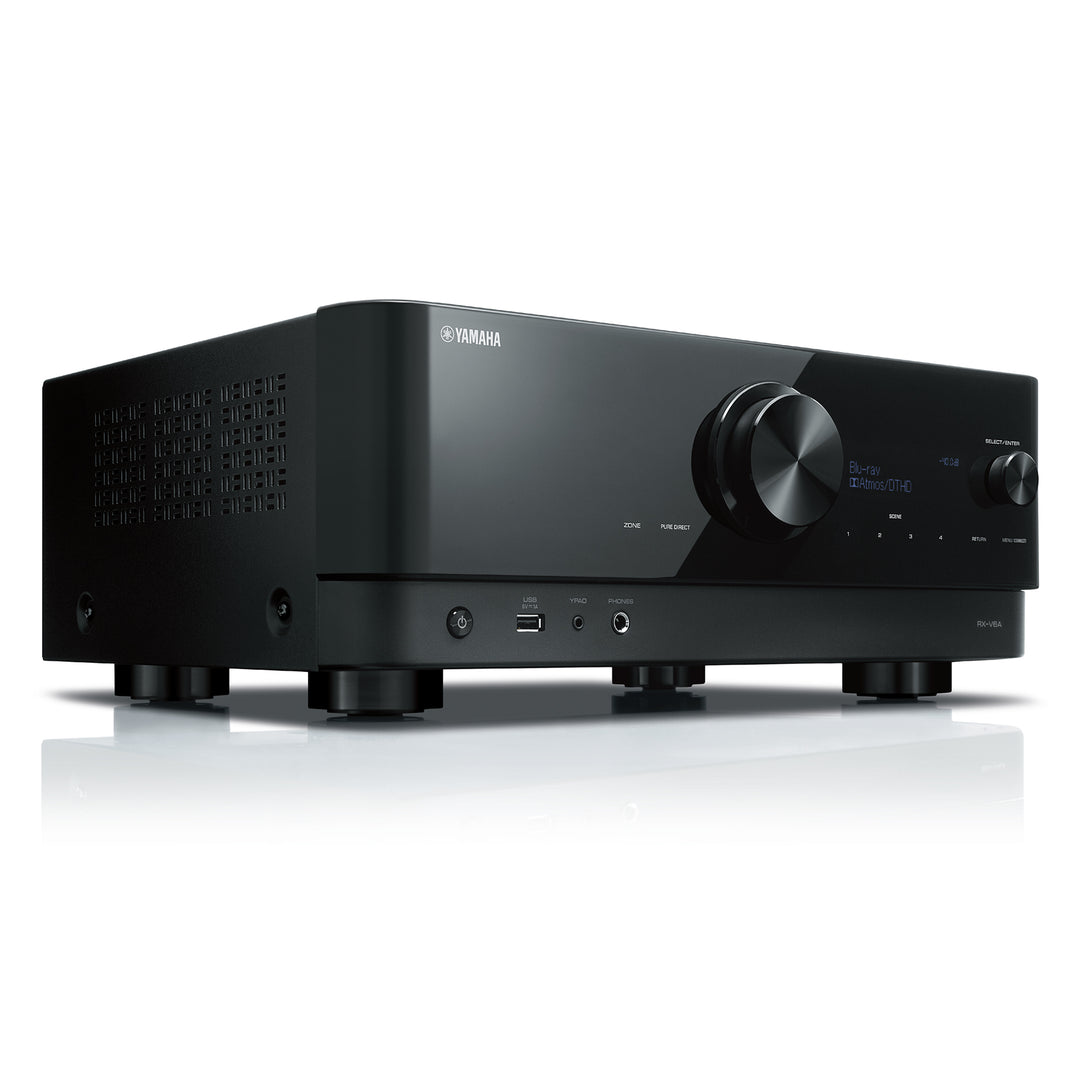
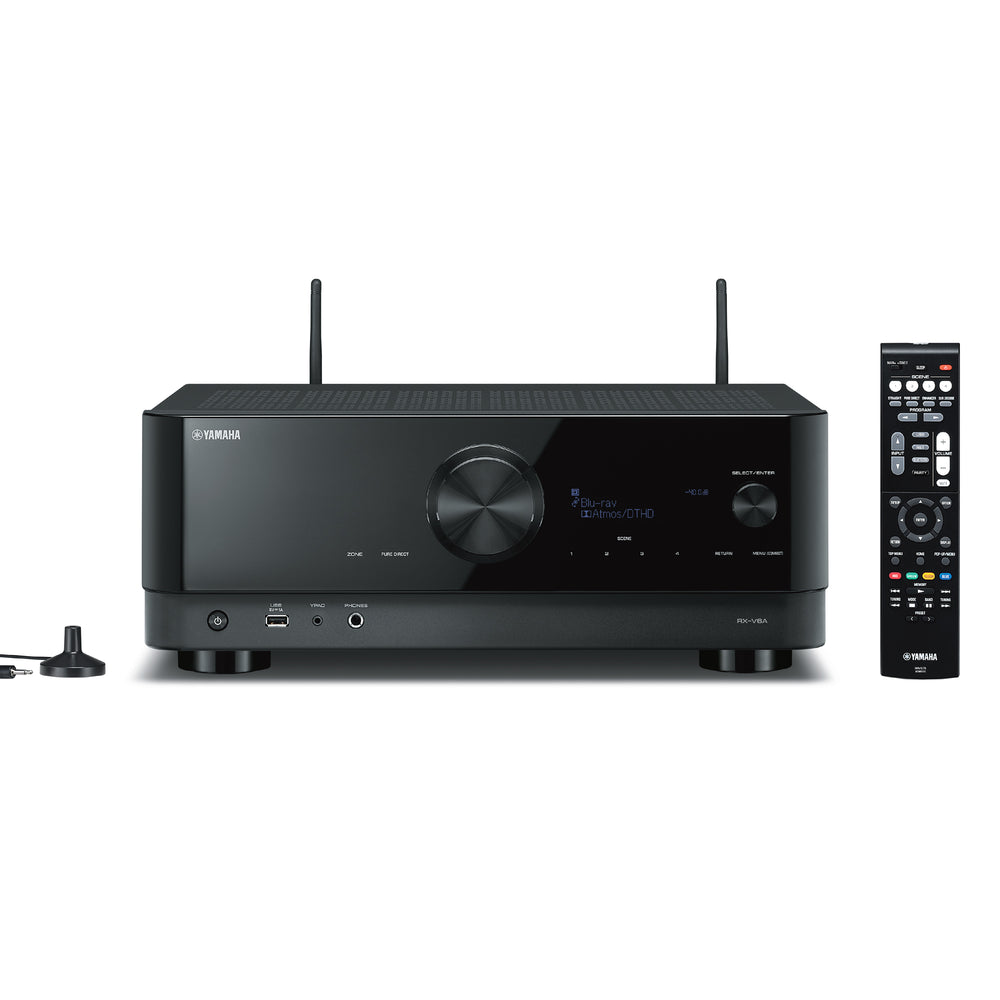
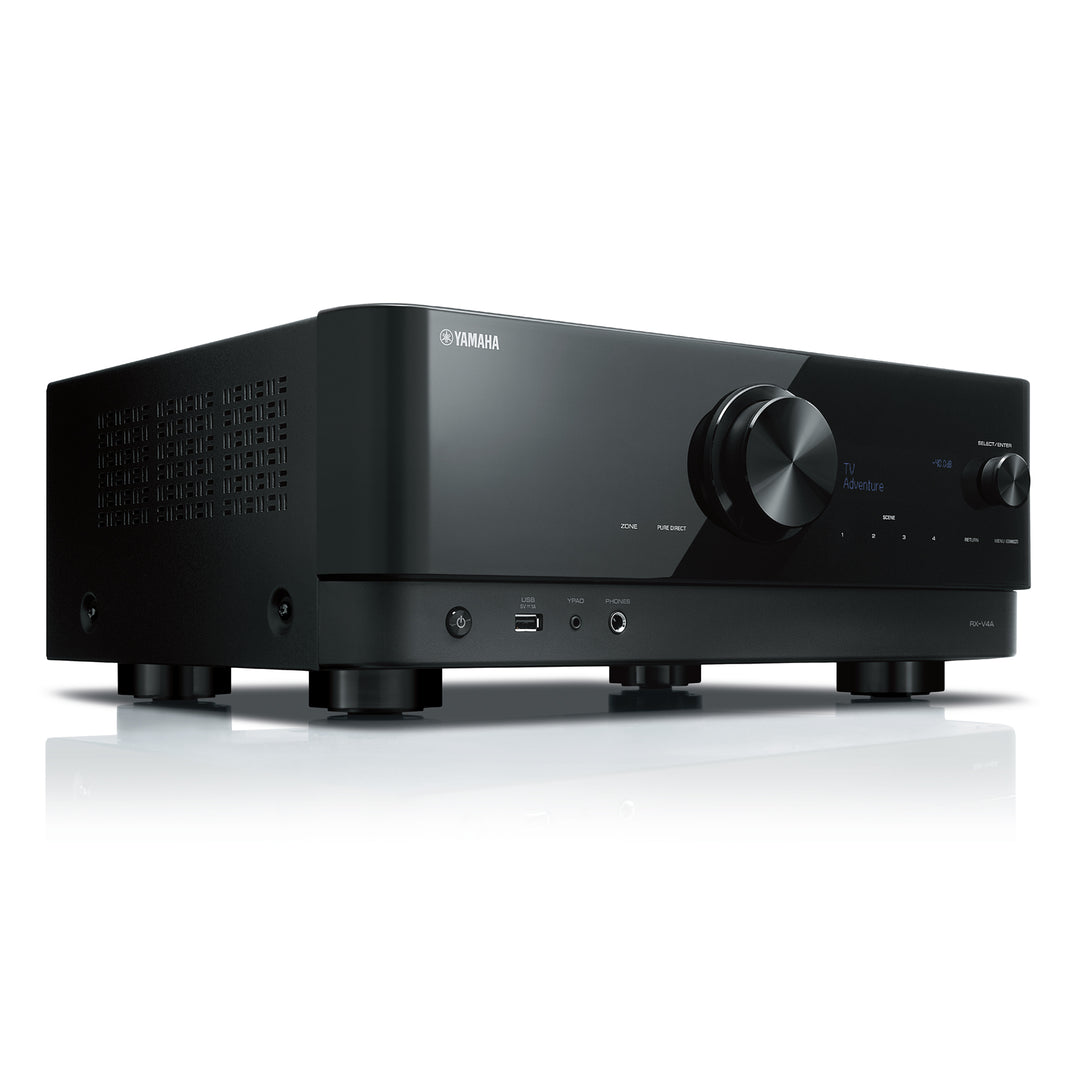
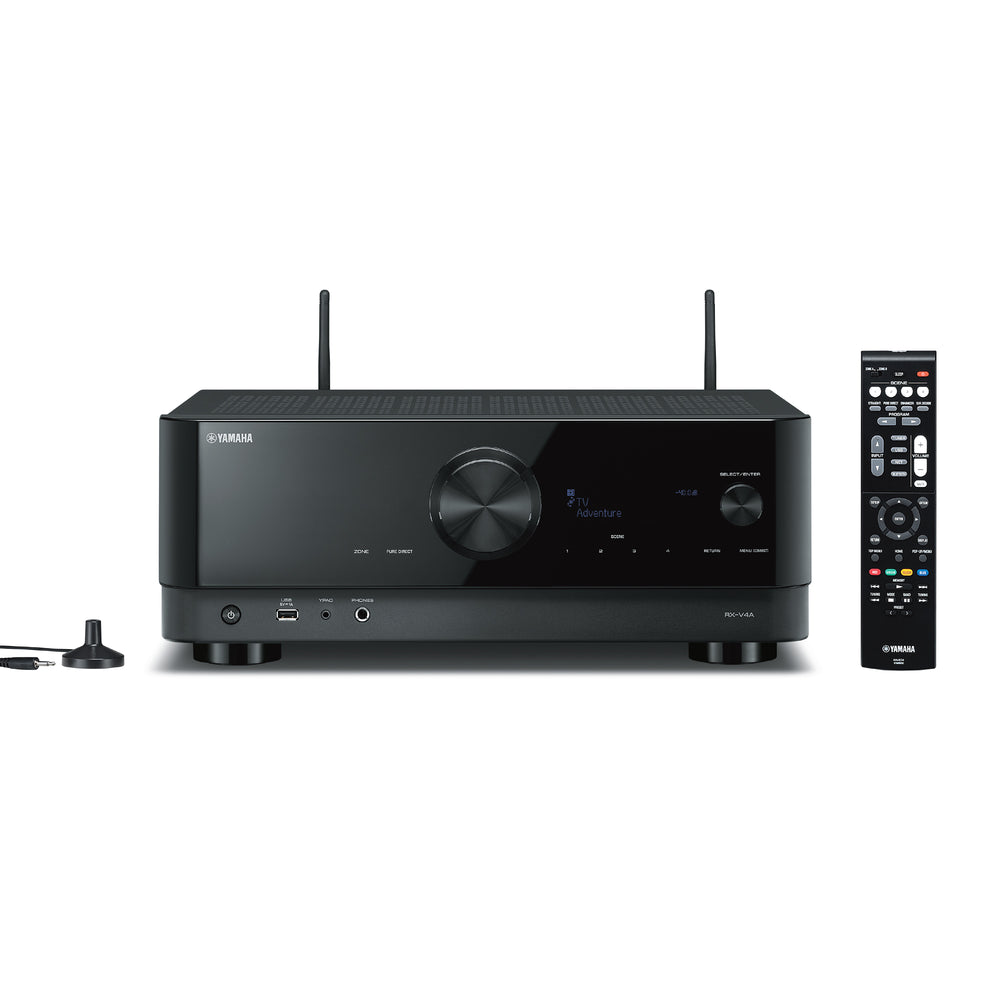
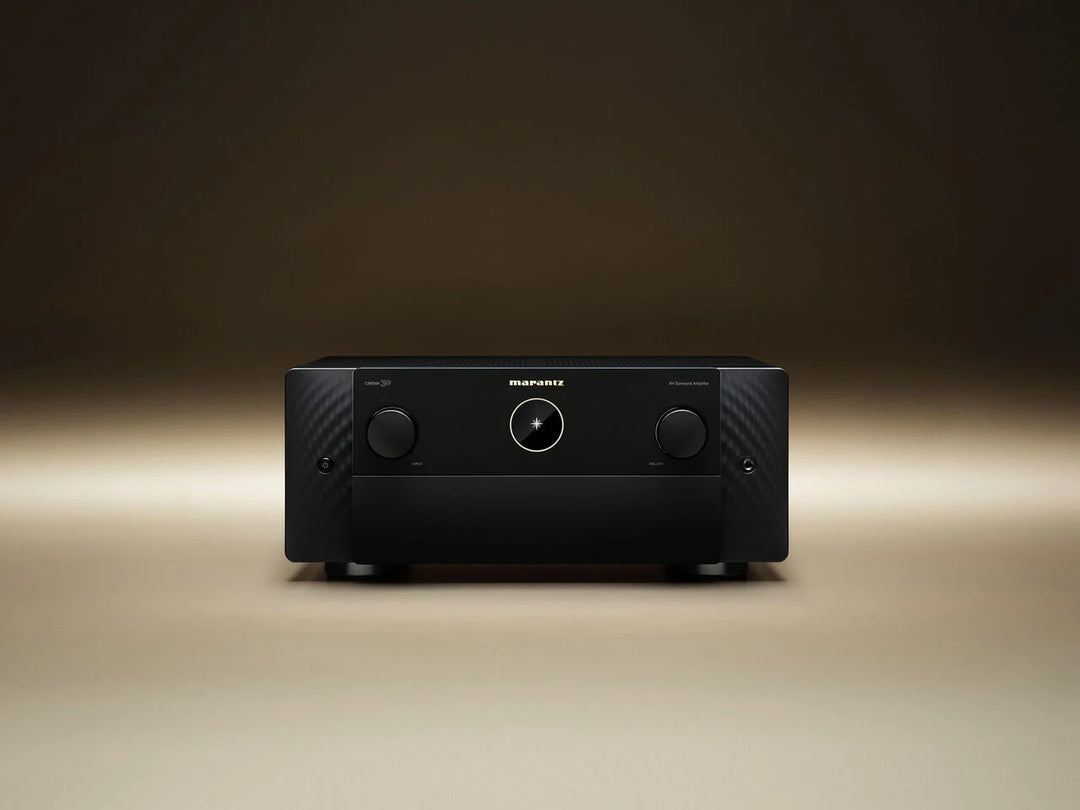
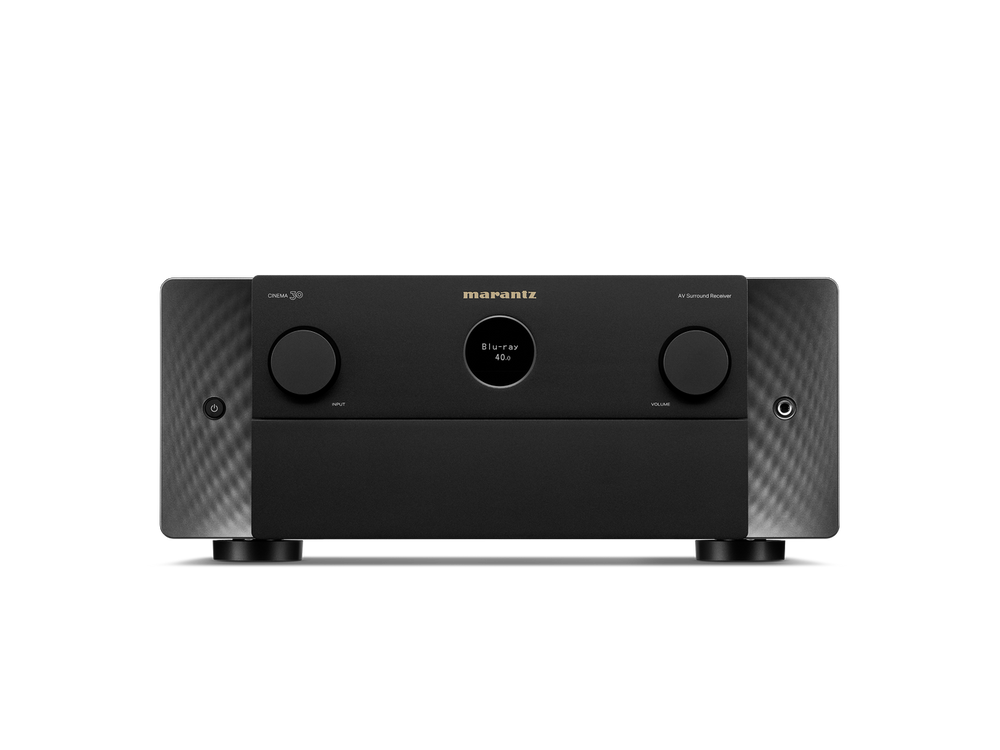
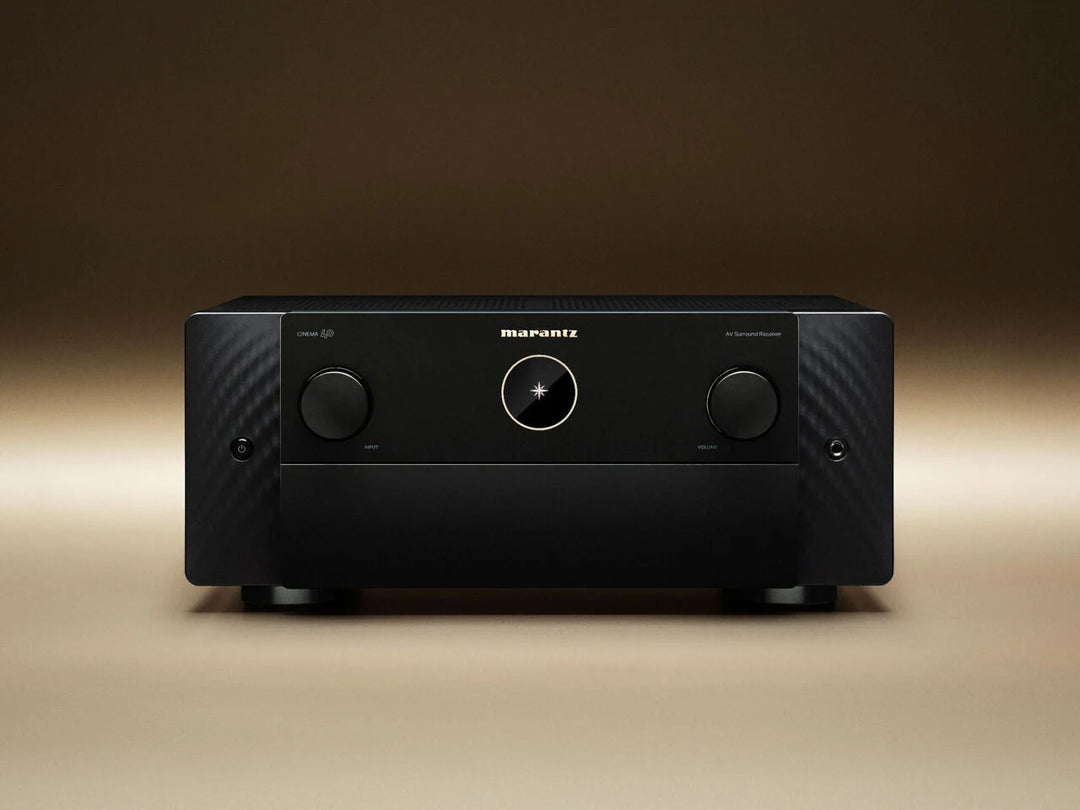
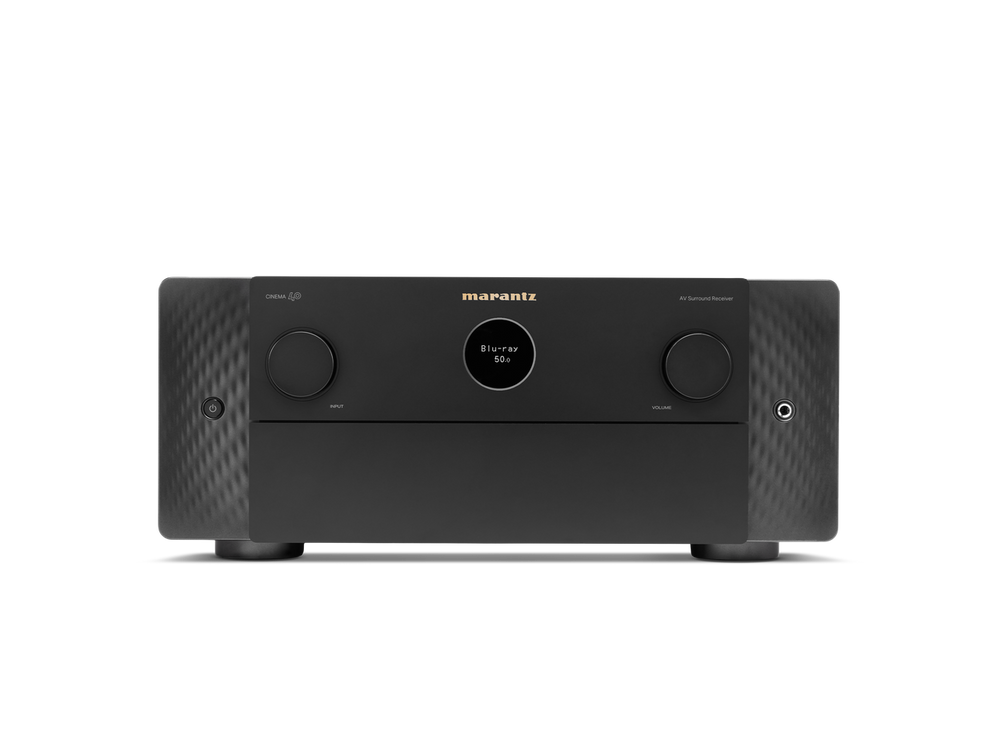
Browse AV receivers, processors and power amplifiers from Yamaha and Marantz. The collection covers Yamaha AVENTAGE and RX-V receivers and the Marantz Cinema receivers, AV processors and power amplifiers.





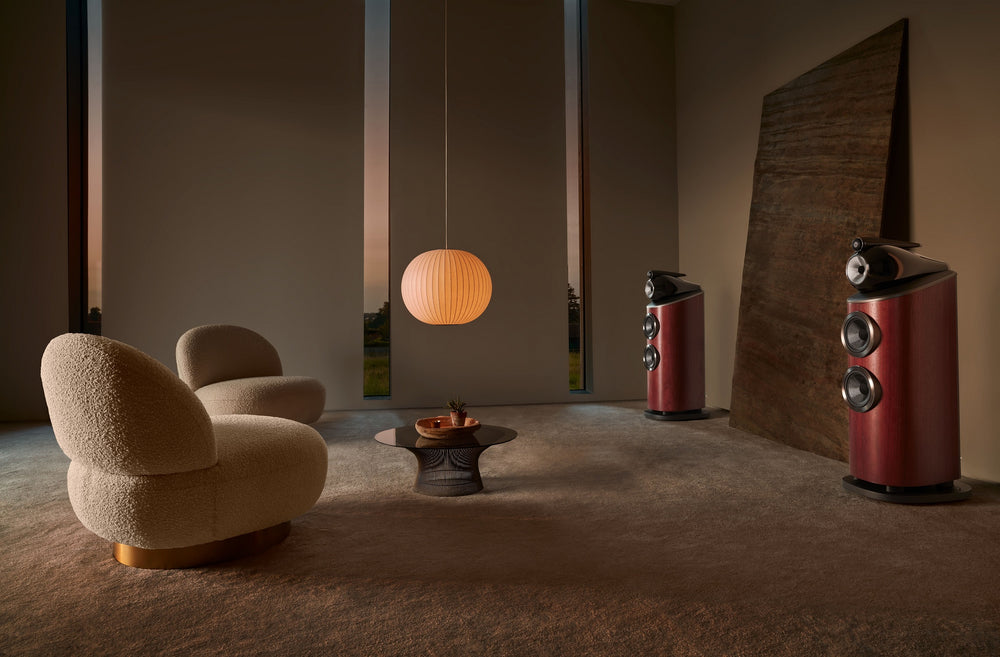
Browse AV receivers, processors and power amplifiers from Yamaha and Marantz. The collection covers Yamaha AVENTAGE and RX-V receivers and the Marantz Cinema receivers, AV processors and power amplifiers.
AV Receivers guide
An AV receiver connects your TV, players and speakers, then powers the surround sound system. This collection has Yamaha and Marantz receivers from 5.2 to 11.4 channels, plus Marantz AV processors and power amplifiers for larger systems. Our team can help you match one to your speakers.

Start with the number of speakers you plan to run. A 5.2 channel receiver drives five speakers and two subwoofers. A 7.2 channel model adds two more, which can be surrounds or Dolby Atmos height speakers. Models with 9 or 11 channels suit bigger rooms or fuller Atmos layouts.
Next, check the connections. Count your video sources, such as a TV box, a Blu-ray player and a games console, and choose a receiver with enough HDMI inputs. An HDMI eARC output lets the TV send high quality audio back to the receiver. If you play games on a console or PC, look for 4K 120Hz and 8K support in the specifications.
Power matters, but it is only one part. A receiver should suit the speakers you are connecting, so check the speaker maker's recommended amplifier power. Room correction, such as Yamaha YPAO or Marantz Audyssey MultEQ, measures your room with a microphone and adjusts the sound to suit it.
Finally, think about size and streaming. Slimline models such as the Marantz Cinema 70s fit shelves with limited height. Built-in streaming, such as Yamaha MusicCast or Marantz HEOS, adds music from your phone and online services.
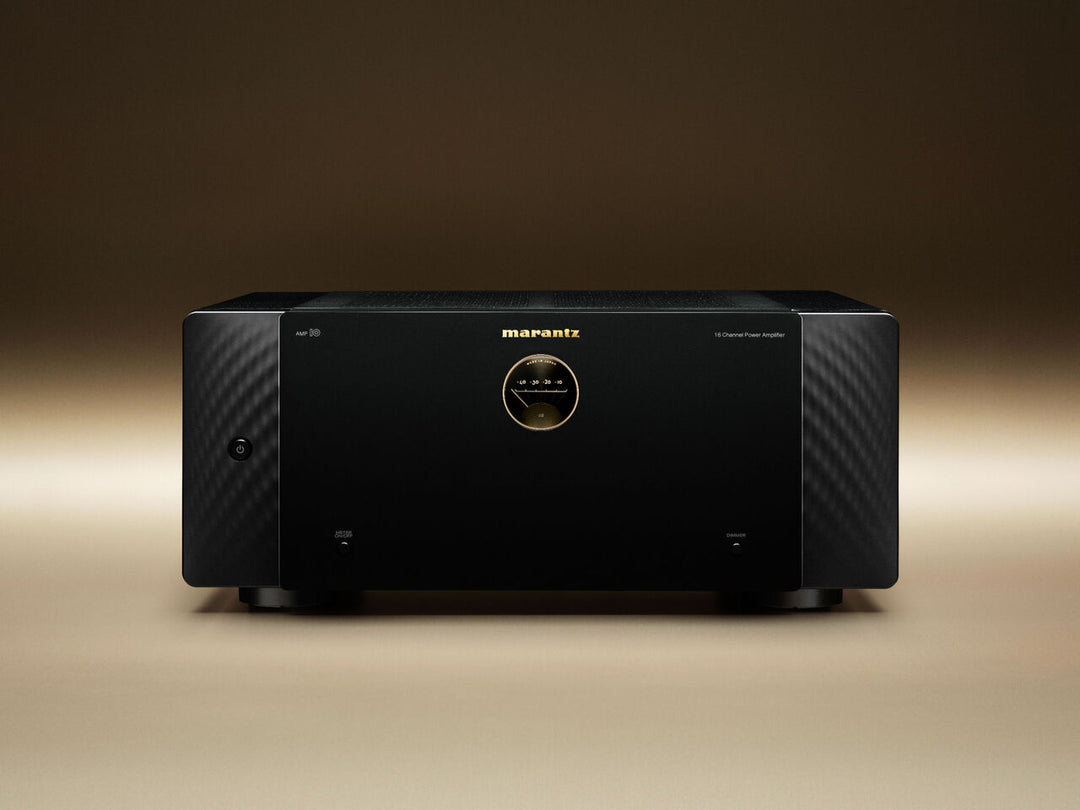
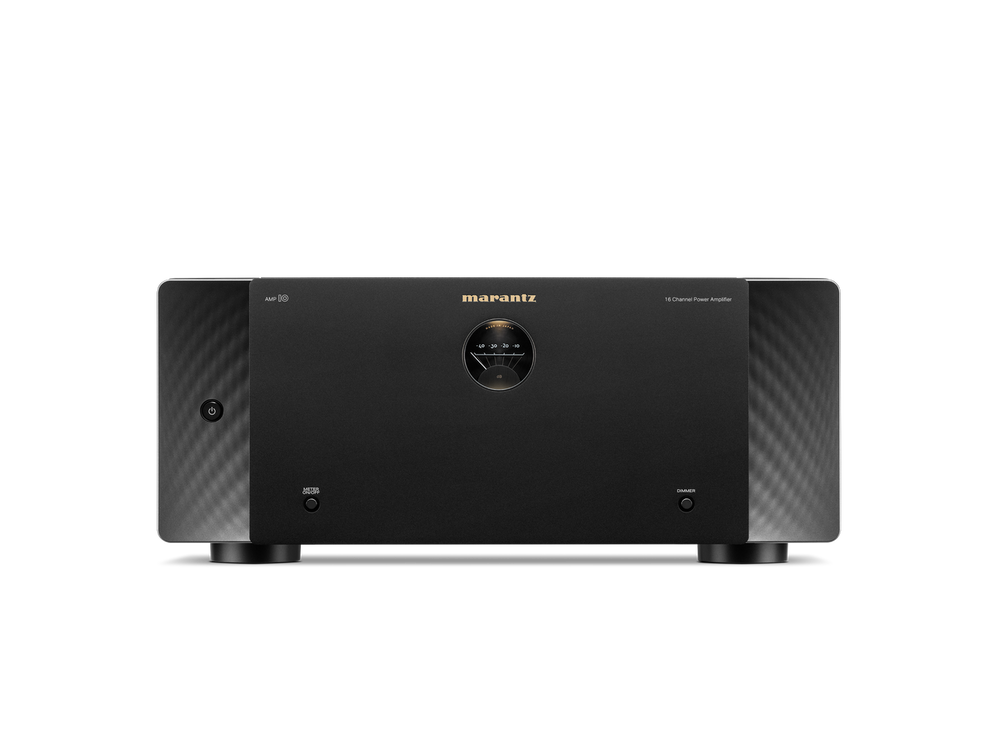
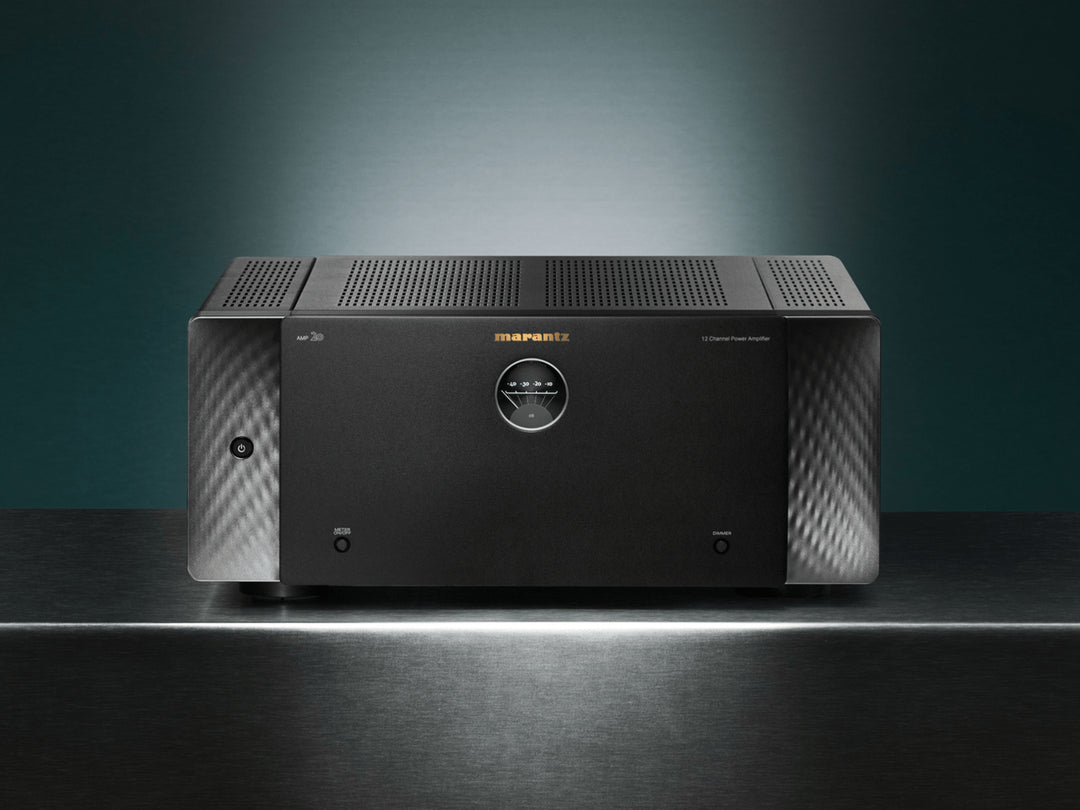
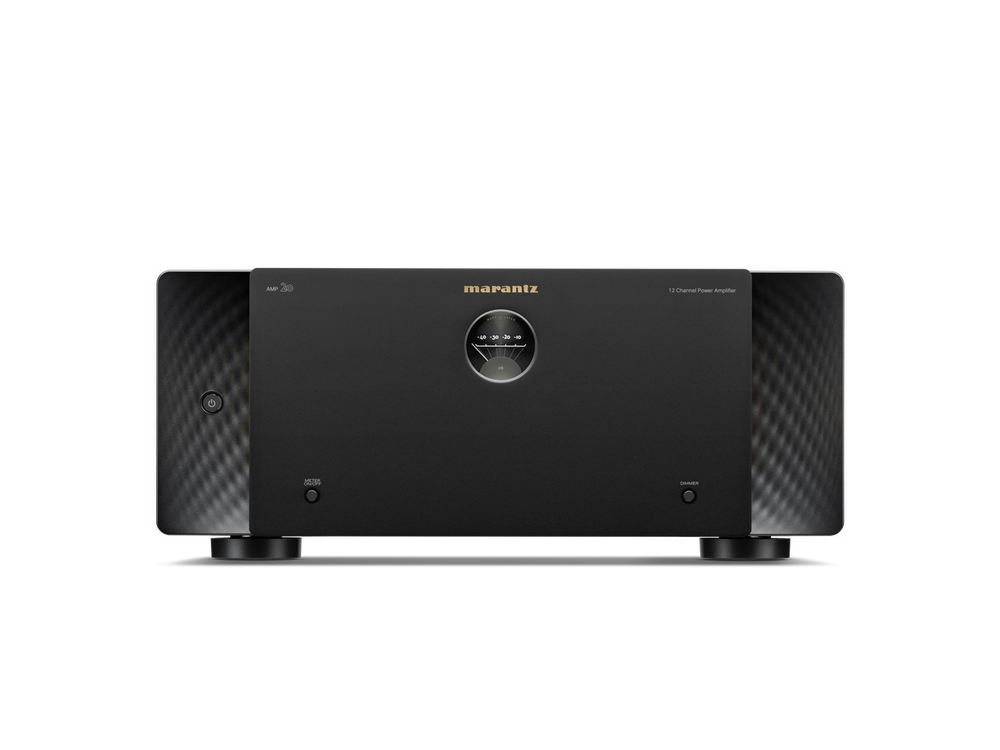
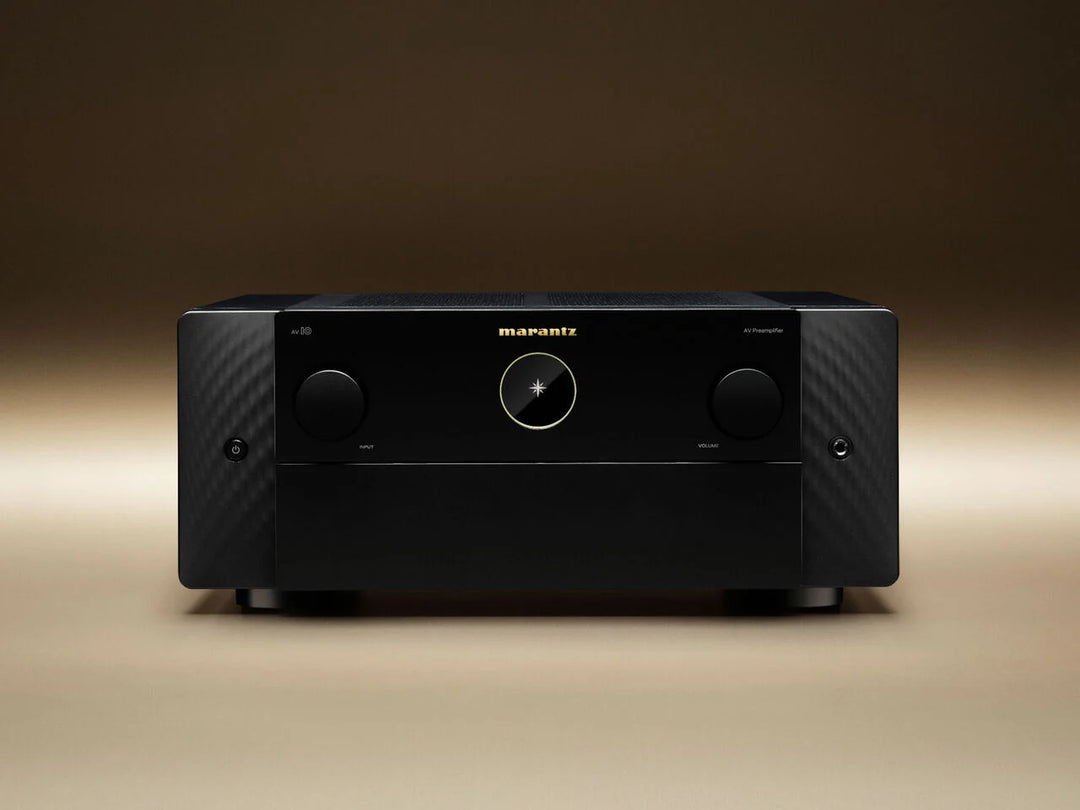
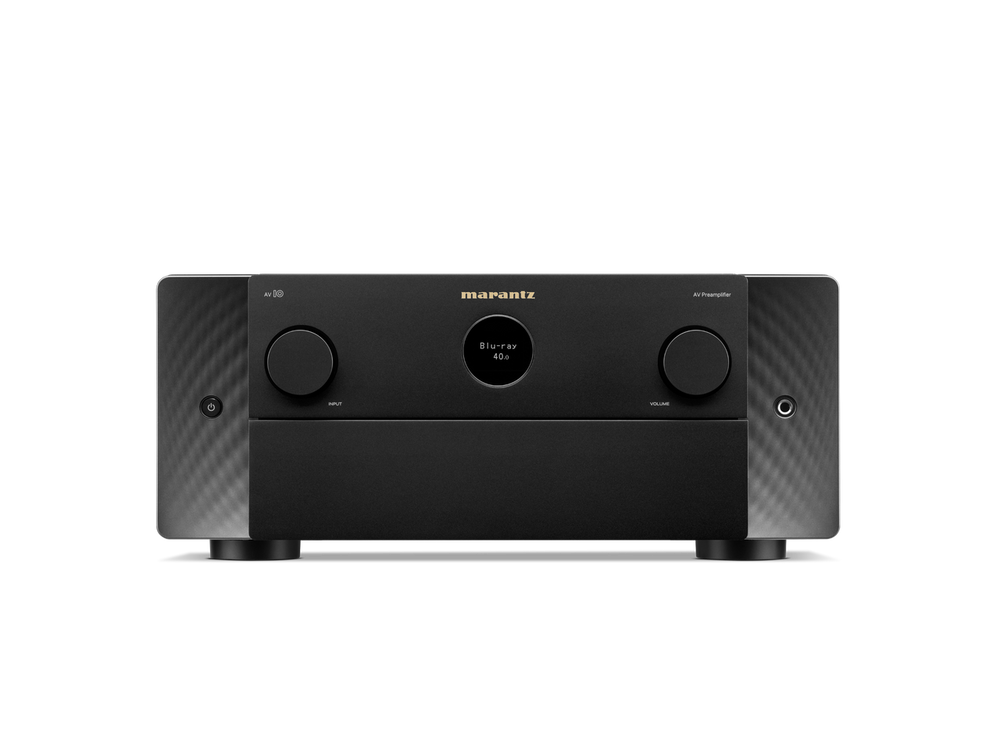
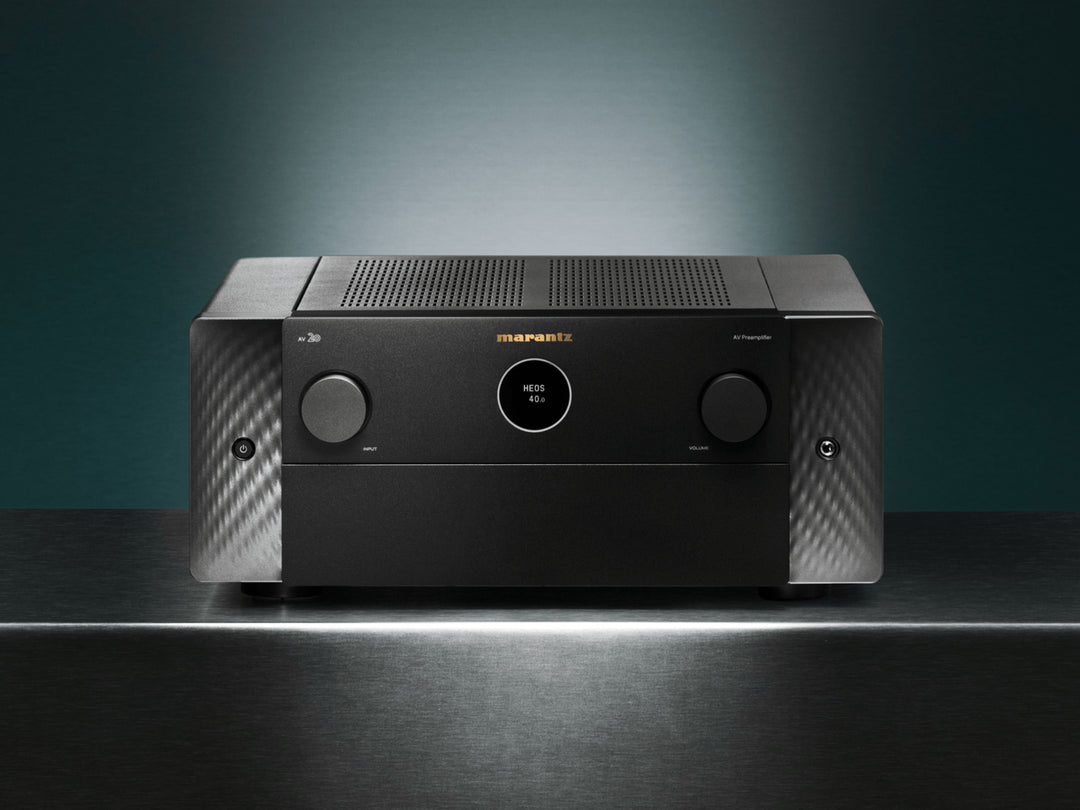
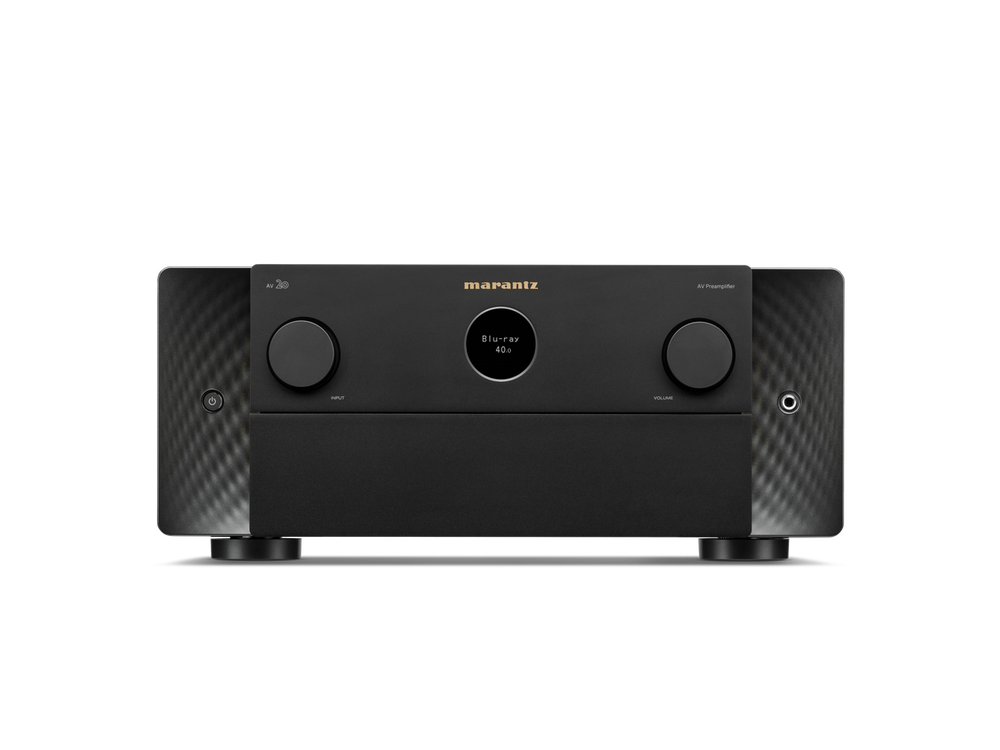
A receiver combines a processor, a power amplifier and a radio or streaming section in one box. An AV processor does the decoding and switching only, so it needs separate power amplifiers. This collection has Marantz AV 10 and AV 20 processors, and AMP 10 and AMP 20 power amplifiers. Most homes suit a receiver. Separates suit larger systems with many speakers.
Dolby Atmos adds height to the soundstage. You can use ceiling or Atmos enabled speakers for the height channels, which needs a receiver with enough channels. A 7.2 channel receiver can run a 5.2.2 layout, with two height speakers. Models that list Height Virtualization can create a height effect without extra speakers, though real height speakers give a more defined result.
The first number is the speakers the receiver can power, and the second is the subwoofer outputs. A 7.2 model powers seven speakers and two subwoofers. Extra channels can be used for surrounds, rear speakers or Dolby Atmos height speakers.
Usually not. A soundbar connects straight to your TV and has its own amplification. An AV receiver is for a system with separate speakers, where the receiver powers them and switches your video sources.
A receiver includes the amplification that powers your speakers. A processor handles decoding and switching only, so you add separate power amplifiers. Processors suit large systems, and a receiver suits most homes.
Count every device you want to connect, such as a Blu-ray player, console and streaming box, then add one or two spare. The receiver also needs an HDMI output to your TV. Check the specifications for each model.
eARC is an HDMI feature that sends high quality audio from your TV back to the receiver. It lets the apps in your TV play formats such as Dolby Atmos through your speakers. It is useful if you use your TV's built-in apps.
No. The receiver will still play Atmos soundtracks on a standard speaker layout. Some models list Height Virtualization, which creates a height effect without extra speakers. Real ceiling or Atmos enabled speakers give a more defined result.
Room correction uses a supplied microphone to measure how your speakers sound in your room. The receiver then adjusts levels, distances and tone to suit it. Yamaha uses YPAO and Marantz uses Audyssey MultEQ on the models that list it.
Yes. Every receiver plays two channel music, and most have a Pure Direct or stereo mode. Many also stream music through built-in services such as AirPlay 2, MusicCast or HEOS, depending on the model.
It depends on your speakers and room. Check the speaker maker's recommended amplifier power and how efficient the speakers are. Larger rooms and less efficient speakers need more power. Our team can help you match a receiver to your speakers.
Yes, on models with built-in streaming. Yamaha receivers offer MusicCast and AirPlay 2 where listed, and Marantz Cinema receivers offer HEOS. Streaming features differ between models, so check the specifications for the one you like.
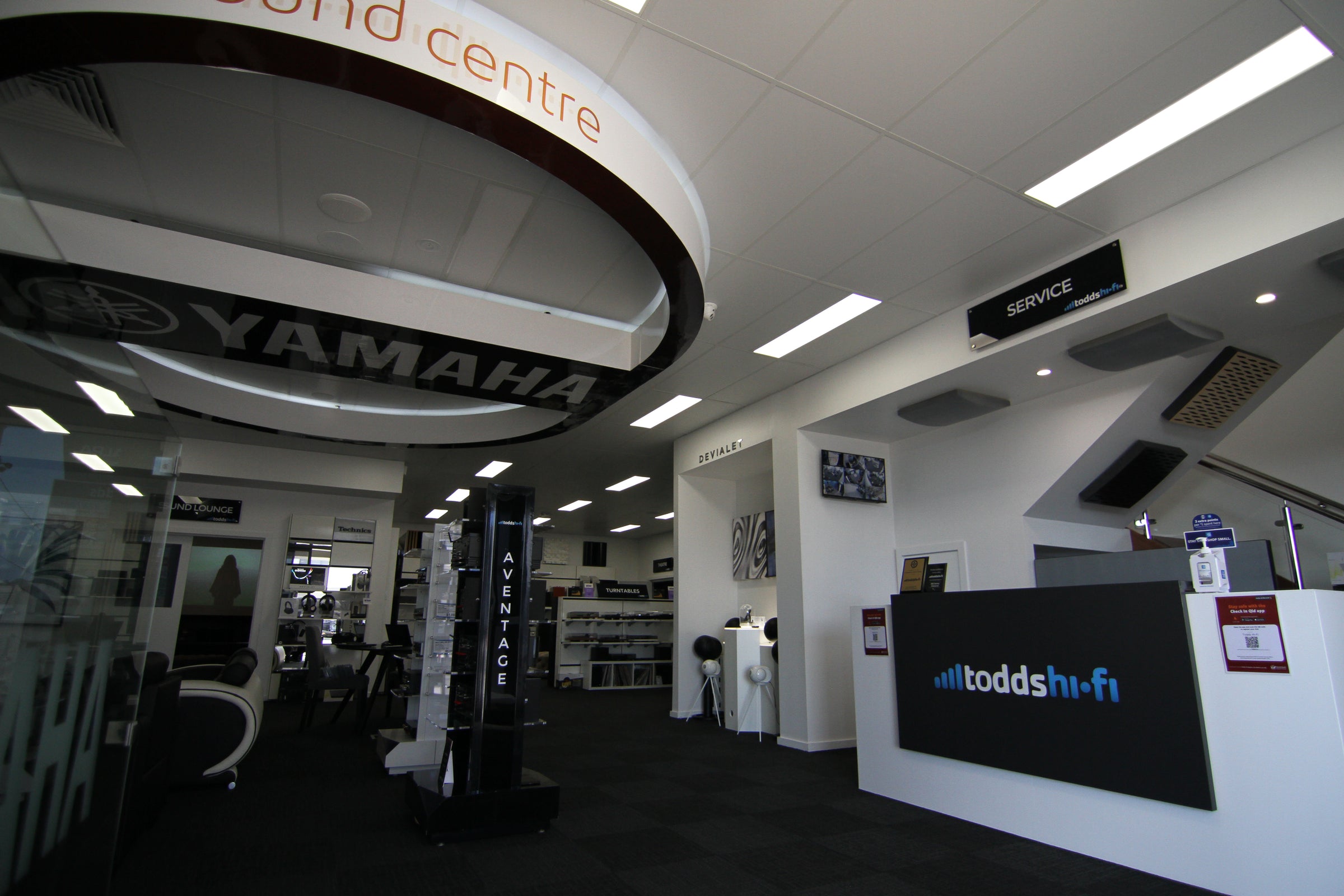
Visit our Brisbane showroom or book a session. Our team can help with advice or a demonstration.
Design &
If you're interested in taking your home entertainment experience to a gold-class standard, you're probably not going to get a gold-class outcome without some design and installation help.
Our AV Design and Installation teams have a wealth of experience which results in the ideal balance of clean finish and simple operability.
So come say hi.